





EDS – Effluent Decontamination System

Wastewater Decontamination
Biological Wastewater Treatment
EDS – Decontamination of Biological Wastewater
Effluent Decontamination Systems (EDS) ensure controlled treatment of biologically contaminated wastewater from pharmaceutical, biotech, and laboratory facilities. Using thermal decontamination, potentially harmful microorganisms are inactivated before the effluent is released, establishing an effective biosafety barrier between the process plant and the surrounding environment.
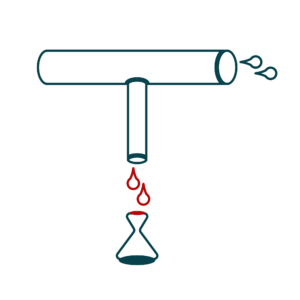
An EDS is a system that treats biologically contaminated wastewater to inactivate potentially harmful microorganisms prior to discharge from production or laboratory facilities. EDS is utilized in industries such as pharma, biotech, fermentation, bioreactor plants, research laboratories, and facilities with stringent biological containment requirements.
Treatment typically takes place via thermal decontamination, where the effluent is subjected to controlled temperature and exposure times to achieve the required microbiological inactivation.
The difference between batch and continuous EDS treatment is that batch processing takes place in discrete treatment cycles, treating a specified volume of wastewater at a time, whereas continuous treatment is designed for sustained flow, where the wastewater is treated through the system under controlled conditions.
Controlled Treatment of Biological Wastewater
Biologically contaminated wastewater is generated across a range of processes within biotechnological and pharmaceutical manufacturing as well as in laboratory environments. Sources include bioreactors, fermentation units, CIP processes, cleaning of process equipment, and drainage from biologically contained areas.
In an EDS unit, effluent is collected and routed through a controlled treatment sequence, where flow and load are matched to the system design. Depending on process requirements, the system can be configured with buffer capacity to equalize fluctuations in wastewater volumes and ensure stable operating conditions for downstream treatment.
Decontamination is typically achieved via thermal treatment using moist heat. The wastewater is heated to a defined temperature and maintained under controlled conditions for a specified holding time. The combination of temperature and exposure time is critical to achieving the required microbiological inactivation and is defined based on the facility's risk assessment and validation criteria.
EDS can be configured as batch or continuous systems. Batch systems process effluent in defined cycles, while continuous systems are engineered for constant flow, maintaining target temperature and residence time throughout the treatment section.
Automated process controls continuously monitor critical parameters, ensuring effluent is never discharged before specified treatment criteria have been satisfied. Alarms, safety interlocks, and process data logging ensure safe operation, full traceability, and regulatory compliance.
Following completed treatment, the effluent can be cooled and safely discharged to drain in accordance with plant design and regulatory standards. EDS thus constitutes a critical component of biosafety infrastructure in production and laboratory environments requiring controlled handling and documented treatment of biological wastewater.
EDS is deployed in facilities where biologically contaminated effluent must be decontaminated before discharge, and where demands on biosafety, containment, and process documentation are stringent.
Typical areas of application include:
- Pharmaceutical manufacturing facilities
- Biotechnology production plants
- Fermentation and bioreactor processes
- Research and laboratory facilities
- High-containment facilities
Collection and treatment of biological process and cleaning wastewater
Engineering and System Integration
EDS Tailored to the Specific Process
Sizing and configuration of an EDS depend on effluent volume, composition, flow profile, microbiological specifications, and the preferred operating mode. Integration with existing process equipment, collection tanks, automation systems, and downstream drains is essential to delivering a robust, high-performance solution.
MESPO provides technical expertise and engineering dialogue regarding process requirements, system configuration, and EDS integration in greenfield or brownfield facilities where safe effluent management and documented process performance are essential components of the plant design.
FAQ
Thermal Decontamination
Biologically contaminated effluent is typically treated using moist heat to inactivate microorganisms. Temperature and holding times are established based on effluent characteristics, microbiological risks, and validated process requirements.
Batch and Continuous Systems
EDS systems can be engineered for batch processing of variable effluent volumes or continuous treatment of larger, steady flows. The configuration is customized to the process load, hydraulic capacity, operating profile, and discharge specifications.
Safety and Process Documentation
Monitoring of critical process parameters, automated sequences, alarms, and safety interlocks ensure controlled and fail-safe operation. Comprehensive logging of batch and treatment data supports traceability, validation, and documentation of completed process cycles.